East Coast Freight Distribution

Is Your Transport Ready for the End-of-Year Rush?
September is here, and for many businesses, it’s time to start planning beyond the next few weeks. October, November, and December can be some of the busiest months of the year for transport and deliveries.
Customer orders increase, projects push towards completion, warehouses get busier and delivery schedules tighten. Then, just as demand reaches its peak, Christmas shutdowns and reduced operating hours add another layer of complexity.
At East Coast Freight Distribution, we know that peak season freight planning is not something businesses should leave until November. The earlier you understand your expected freight volumes, secure transport capacity, and plan for potential disruptions, the easier it becomes to keep your deliveries moving.
Why should businesses start planning for peak season in September?
The simple answer is capacity. During quieter periods, it can be easy to organise a truck, driver or additional freight support when you need it. During the end-of-year rush, that flexibility can disappear quickly. I always encourage businesses to look at their transport requirements before demand starts increasing.
Ask yourself:
- How much freight did we move during the same period last year?
- Are we expecting higher sales this year?
- Do we have seasonal projects or contracts finishing before Christmas?
- Will our suppliers also experience increased demand?
- Are our current transport providers able to handle additional volume?
- What happens if our usual transport capacity reaches its limit?
These questions give you a much clearer picture of where pressure points may appear.
Forecast your delivery volumes early
You do not need a perfect forecast. Even an informed estimate is better than waiting until freight volumes increase and trying to find transport at short notice.
Start by looking at your previous October–December freight volumes alongside your current sales pipeline and anticipated customer demand. For example:
Planning area | What to review |
Historical freight | Compare last year’s October–December volumes |
Current sales | Identify expected seasonal increases |
Large projects | Check upcoming project deadlines |
Customer orders | Identify high-volume customers |
Delivery locations | Look for areas requiring additional capacity |
Freight type | Consider pallets, machinery, building materials, or specialised freight |
Peak weeks | Identify when demand is likely to be highest |
The goal is to identify your busiest periods before they arrive and secure transport capacity before you need it. One of the biggest mistakes I see businesses make is treating additional transport as something they can organise at the last minute. Peak season changes that.
If your regular fleet is already operating close to capacity, additional freight can quickly create a problem. This is where having an established relationship with a transport provider can make a real difference.
At ECFD, we cover the Sunshine Coast from Brisbane to Gympie, the hinterland and down to the Gold Coast, providing flexible transport solutions for different operational requirements. Our services include general freight, project logistics, mobile forklift solutions and permanent hire.
Peak season also coincides with a busy period for events across Southeast Queensland. Event organisers, suppliers and businesses may need equipment, displays, stock, staging materials or other goods delivered within specific bump-in and bump-out windows.
Food, beverages, and other temperature-sensitive products may also require refrigerated transport to maintain the right conditions throughout the journey. With tight delivery windows and different transport requirements to coordinate, early planning becomes particularly important.
Depending on your requirements, it may make sense to reserve additional capacity before your busiest weeks arrive rather than trying to find a solution when your freight is already waiting.
Plan around Christmas and business shutdown periods
The end-of-year rush is not only about increased freight volumes. It is also about timing. Many businesses operate reduced hours or close completely over the Christmas and New Year period. Your customers, suppliers, warehouses, and transport providers may all have different shutdown dates. That means one missed delivery window can create a much bigger problem.
I recommend creating a simple shutdown calendar covering:
- Your business closure dates
- Customer closure dates
- Supplier closure dates
- Warehouse operating hours
- Final dispatch dates
- Final delivery dates
- Driver and transport availability
- Any restricted delivery locations
Share this information with your transport provider early. Clear communication can prevent freight from sitting in a depot or arriving at a site that is already closed.
What happens when your regular transport reaches capacity?
This is where an overflow freight plan becomes important. Your backup plan does not necessarily need to replace your existing transport arrangements. It simply needs to provide additional capacity when your normal operation is under pressure.
For some businesses, this could mean using additional vehicles during the busiest weeks. For others, it may involve a dedicated truck and driver through a permanent hire arrangement or using project logistics support for specific requirements.
The important thing is to decide before the pressure starts.
Situation | Potential transport response |
Regular freight increases | Add scheduled transport capacity |
Short-term volume spike | Use overflow freight support |
Large project deadline | Arrange dedicated project logistics |
Frequent recurring deliveries | Consider permanent hire |
Difficult unloading locations | Consider mobile forklift support |
Urgent delivery | Plan a dedicated or hot-shot option |
The right solution will depend on your freight, location, delivery frequency, and timeframes.
Do not overlook unloading
Peak-season planning is not just about getting a truck to the destination. You also need to consider what happens when the freight arrives. Is there someone available to unload it? Is there suitable equipment on site?
Can the delivery vehicle safely access the location?
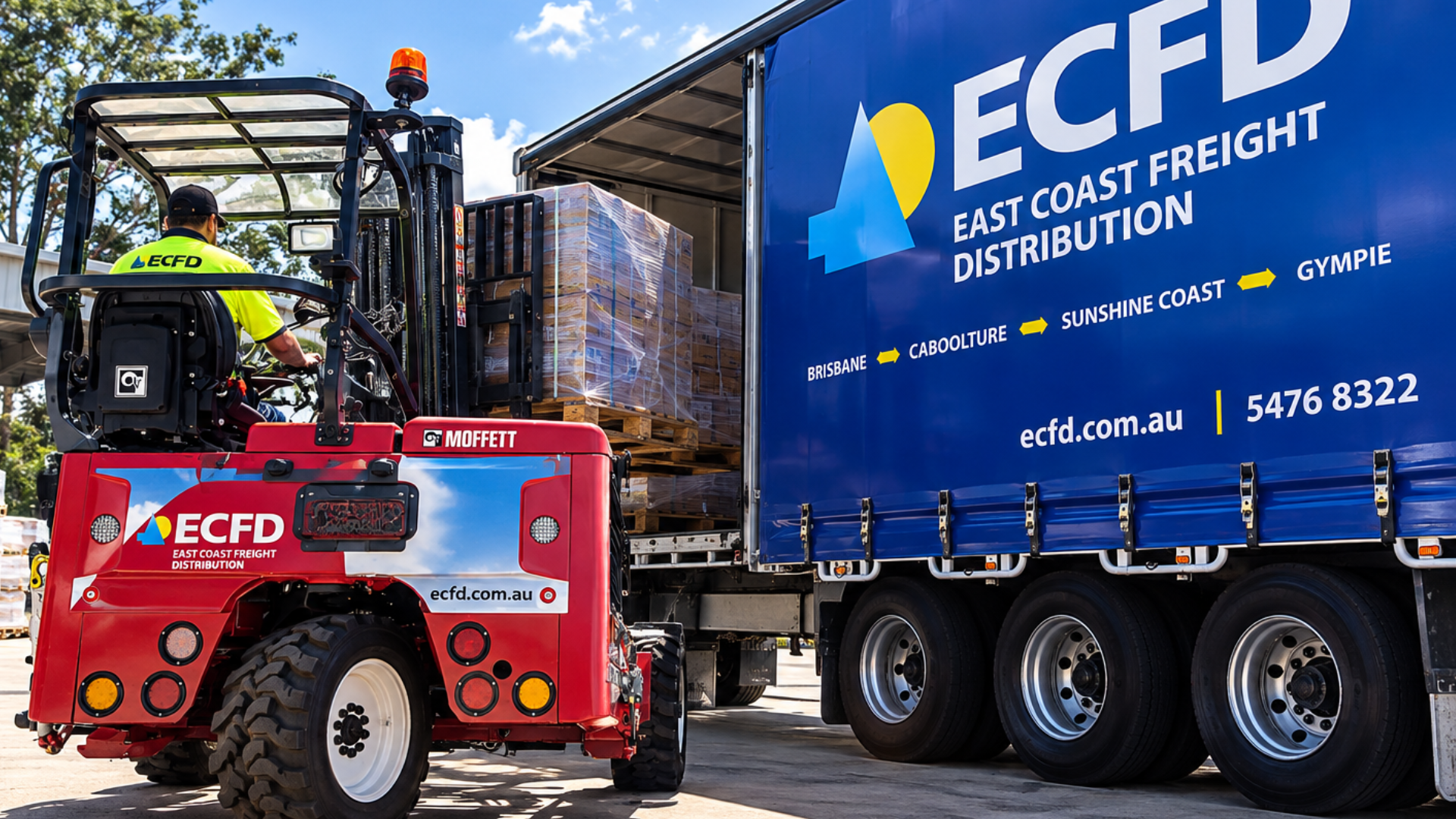
For businesses moving pallets, building materials, machinery, or other heavy freight, unloading can become a major bottleneck. Our mobile forklift service is designed to help businesses manage heavy lifting at locations where an on-site forklift may not be available. Our all-terrain mobile forklifts have a two-tonne lifting capacity and are operated by skilled operators. Thinking about unloading before peak season can save a lot of time and avoid unnecessary delays.
Have a backup plan for your transport
Even the best transport plan can face unexpected problems. A vehicle can become unavailable. A route can be affected by weather or congestion. A customer may change the delivery time. Freight volumes can suddenly increase. I believe good freight planning is about preparing for those situations rather than assuming they will not happen.
Your contingency plan should answer five basic questions:
- Who do we contact if our normal transport provider is at capacity?
- How quickly can additional transport be arranged?
- Which deliveries are most urgent?
- Which freight can be rescheduled if necessary?
- Is unloading equipment, such as a forklift, available when the delivery arrives?
Having these answers ready gives your team options when something changes.
The best time to review your freight plan is now
September is a good time to have this conversation because there is still time to make changes. You can review your expected freight volumes, speak with your transport partners, identify potential capacity gaps, and put contingency arrangements in place.
By October, you want your plan to be working. By November, you want your transport capacity to be secure. And by December, you want your team focused on serving customers rather than trying to find a truck at the last minute.
At East Coast Freight Distribution, we understand that every business has different freight requirements. Whether you need general freight, dedicated transport, project logistics or additional support during a busy period, our focus is on providing practical solutions that keep your supply chain moving.
After all, peak season should be a period of opportunity for your business — not a transport headache.
If you are expecting higher freight volumes between October and December, now is the time to review your transport requirements. Talk to the ECFD team about your peak-season freight needs and let’s plan your transport capacity before the end-of-year rush begins.
Frequently Asked Questions
1. When should businesses start planning for peak-season freight?
September is a good time to start. Planning early gives you time to forecast volumes, secure transport capacity and prepare for Christmas shutdown periods before demand increases.
2. How can I prepare for higher freight volumes during the end-of-year rush?
Review previous year’s freight volumes, assess current sales and project, identify your busy weeks, and discuss additional transport capacity with your freight provider.
3. What is overflow freight?
Overflow freight refers to additional freight that cannot be handled by your normal transport capacity. A transport provider can help by supplying additional vehicles, drivers, or dedicated logistics support when demand increases.
4. What should businesses do if their regular transport provider reaches capacity?
Have a backup transport arrangement in place before peak season begins. Discuss your expected volumes with another reliable freight provider and determine how quickly additional capacity can be made available.
5. How can ECFD help with peak-season transport?
ECFD provides general freight, project logistics, permanent hire, and mobile forklift services. These options can help Queensland businesses manage regular freight, additional demand, and specialised delivery requirements during busy periods.