East Coast Freight Distribution

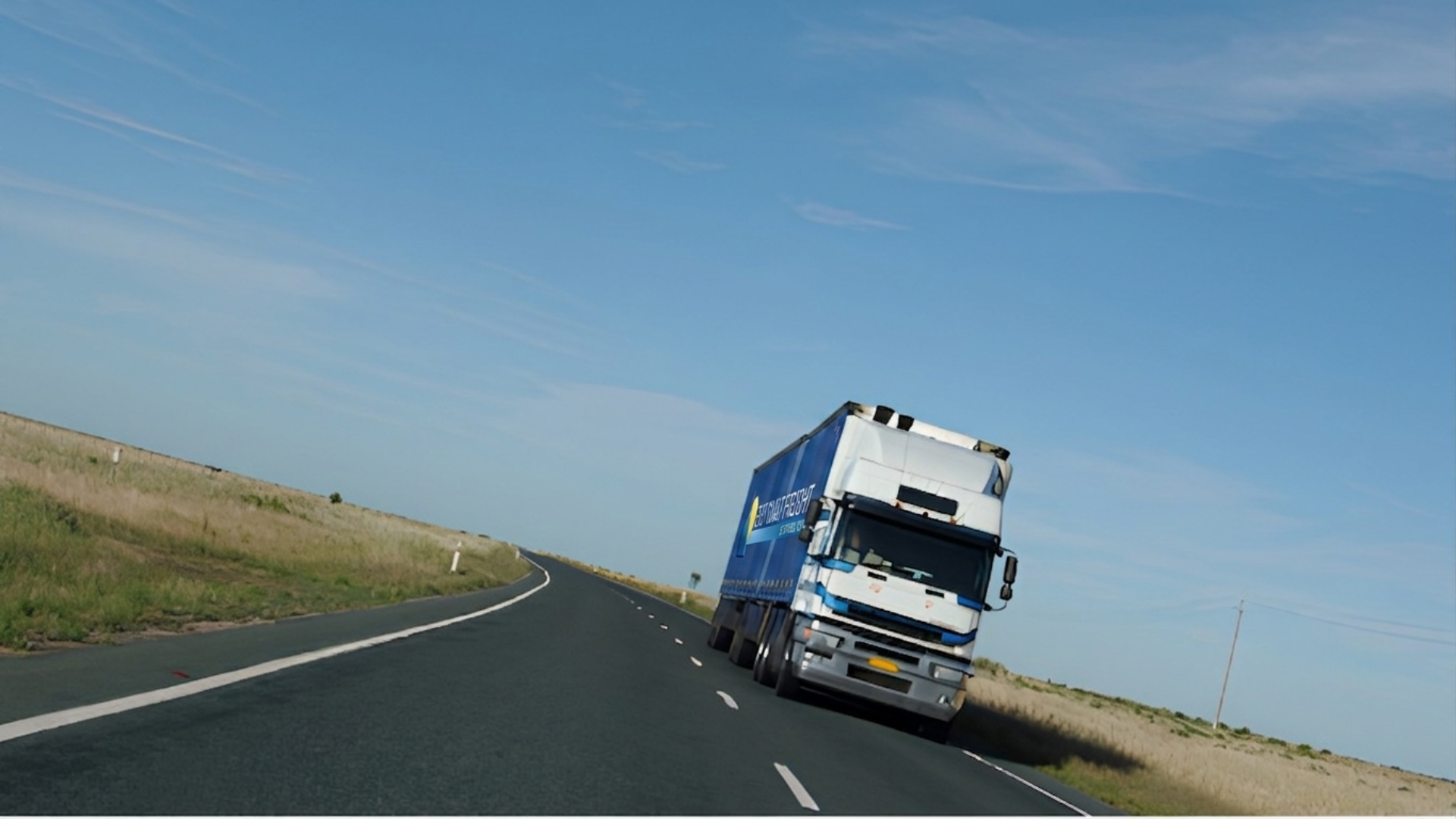
Future-Proofing Regional Freight: Green Logistics, Emissions Reduction, and Workforce Training in QLD
The regional freight sector in Queensland is undergoing a massive transformation. Tightening environmental regulations, evolving cargo security threats, and a severe skills shortage are forcing the industry to adapt.
For logistics operations to survive long-term, they must evolve. Future-proofing regional supply chains requires a balanced focus on three pillars: green logistics, stringent compliance, and workforce development.
1. The Green Logistics Transition: Scope 1, 2, and 3 Emissions
Sustainability is no longer a corporate buzzword. It is a strict operational mandate. Queensland transport networks face unique geographical challenges, making emissions tracking both vital and complex. To achieve true sustainability, freight operators must dissect and address all three tiers of greenhouse gas emissions:
- Scope 1 Direct Emissions: Exhaust from your fleet vehicles, mobile forklifts, and company-owned assets.
- Scope 2 Indirect Emissions: Electricity consumed by distribution centres, cold storage facilities, and head offices.
- Scope 3 Supply Chain Emissions: Indirect emissions from outsourced sub-contractors, waste disposal, and the lifecycle of purchased materials.
Mapping the Emissions Roadmap
Emissions Category | Primary Regional Source | Modern Mitigation Strategy |
Scope 1 | Heavy diesel trucks, mobile forklifts | Transition to alternative fuels (HVO, Hydrogen, EV) |
Scope 2 | Depot lighting, automated sorting, refrigeration | Solar array installations, energy-efficient LED refits |
Scope 3 | Third-party tow-operators, upstream supply chains | Strict vendor compliance audits, Route Optimisation Software |
Mitigating these emissions requires high-fidelity tracking data. Leading operators utilise telematics to generate transparent carbon accounting reports for clients, proving that regional routes can reduce their environmental footprint.
2. Decarbonising the Long Haul: Alternative Fuels and Tech
Batteries work well for urban delivery vans, but regional Queensland requires a completely different approach. Covering long distances between hubs like Brisbane and Sunshine Coast requires high-capacity energy solutions.
The industry is evaluating three distinct pathways to phase out traditional diesel:
- Hydrotreated Vegetable Oil (HVO): A drop-in renewable diesel substitute. It requires zero engine modifications and slashes net carbon emissions by up to 90%.
- Hydrogen Fuel Cell Electric Vehicles (FCEVs): The most viable long-term solution for heavy-duty B-doubles. Hydrogen offers rapid refuelling times and extensive operational range.
- Battery Electric Vehicles (BEVs): Currently ideal for short-haul regional distribution and specialised site operations, such as mobile forklift freight deployment.
Route Optimisation and Aerodynamics
Alternative fuels are only half the battle. Maximising efficiency requires cutting-edge software and hardware. Route optimisation algorithms prevent empty running (deadheading). These systems automatically calculate traffic, terrain, and load distribution. Additionally, retrofitting existing heavy trailers with aerodynamic skirts and low-rolling-resistance tyres provides immediate, measurable fuel savings.
3. Advanced Cargo Security and Smart Supply Chains
Green logistics must not come at the expense of cargo integrity. As regional supply chains become highly digitalised, protecting physical and intellectual assets is paramount. High-value cargo, sensitive agricultural yields, and industrial freight require continuous monitoring across vast regional expanses.
- Real-Time IoT Tracking: Modern trailers feature sensor arrays that monitor temperature, humidity, door-open events, and precise GPS location.
- Geofencing Protocols: Automated alerts notify dispatch teams the exact moment a vehicle deviates from its approved regional corridor.
- Electronic Proof of Delivery (ePOD): Digital chain-of-custody tracking eliminates paperwork, reduces administrative emissions, and prevents cargo disputes.
Implementing these secure, transparent workflows ensures full compliance with the Heavy Vehicle National Law (HVNL) Master Code while significantly mitigating transit risk.
4. Tackling the Skills Shortage: Next-Gen Workforce Training
The freight industry faces a structural challenge: an aging workforce and a critical shortage of skilled operators. Future-proofing regional freight requires urgent, sustained investment in human capital.
Advanced training programs must evolve past basic licensing. Modern transport workers need technical skills to handle complex logistics systems, eco-driving practices, and sophisticated equipment safely.
Specialised Operator Training
Safe operations rely on deep technical expertise. Specialised tasks, such as handling heavy machinery or executing precise dedicated driver logistics, demand continuous training.
Comprehensive workforce development frameworks focus heavily on high-risk environments:
- Eco-Driving Masterclasses: Training drivers in momentum management, progressive shifting, and optimal idle reduction to save fuel.
- Advanced Forklift and Load Securing Certification: Focusing on specialised handling, stability mechanics, and strict compliance with the Load Restraint Guide.
- Digital Literacy Paths: Training operators to seamlessly interface with onboard telematics, digital logbooks (WDUs), and warehouse management platforms.
The Modern Freight Professional = Traditional Licensing ➔ Eco-Driving Training ➔ Advanced Tech Literacy
By framing transport roles as highly skilled, technology-driven careers, the sector can successfully attract younger demographics and diverse talent pools into regional Queensland hubs.
5. Compliance, Safety, and the Chain of Responsibility (CoR)
Safety remains the ultimate metric of success in supply chain logistics. Under Chain of Responsibility (CoR) laws, liability spreads across the entire supply chain. Directors, consignors, managers, and drivers share equal responsibility for transport safety.
Executive Management ➔ Dispatch Planning ➔ Fleet Maintenance ➔ Professional Driver
Total Accountability Across the Chain
A culture of safety requires proactive compliance infrastructure rather than reactive fixes:
- Fatigue Management Systems: Using smart telematics and driver-facing safety tech to detect early signs of fatigue before an incident occurs.
- Strict Mass and Maintenance Management: Utilising automated weigh-in-motion sensors and preventative maintenance scheduling to keep heavy combinations perfectly roadworthy.
- Regular Auditing Regimes: Conducting transparent, documented safety audits to ensure all internal procedures align with the National Heavy Vehicle Regulator (NHVR) standards.
Choosing a Sustainable Long-Term Partner
The future of Queensland regional freight relies on combining environmental responsibility with operational safety. True market leaders do not treat sustainability and compliance as separate initiatives. Instead, they integrate them directly into their daily workflows.
Investing in transparent emissions tracking, adopting cutting-edge fleet technologies, and building highly trained teams protects regional supply chains from market disruptions. For Queensland enterprises looking to secure their operations, choosing a logistics partner dedicated to these future-proof strategies is the ultimate competitive advantage.