East Coast Freight Distribution

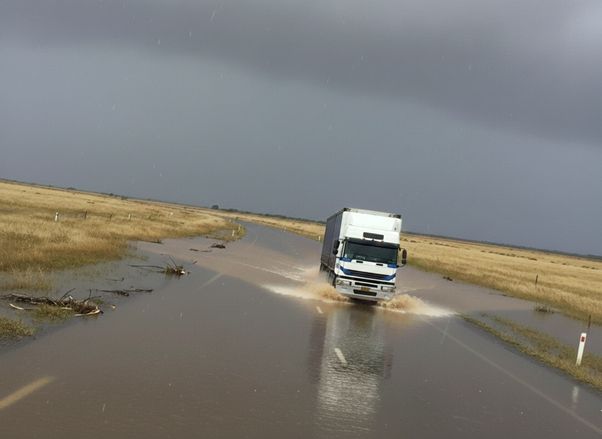
Resilient by Design: How Australian Freight Adapts to Disruption
Navigating Supply Chain Disruption in Southeast Queensland
If there’s one thing operating freight and logistics in Australia teaches you quickly, it’s that disruption isn’t an exception—it’s part of the landscape.
Working across Brisbane and the Sunshine Coast, our team has seen firsthand how floods, fires, and infrastructure failures impact supply chains with very little warning. For transport operators, resilience isn’t a marketing line. It is something you design into your operation long before things go wrong.
At East Coast Freight Distribution (ECFD), resilience is built into how we deliver freight—because in Queensland, it has to be.
Why Australian Freight Operates Under Real Pressure
Australia’s geography presents challenges few other global transport markets face. Long distances, decentralized population centers, and extreme weather volatility mean freight planning must be flexible and grounded in deep local knowledge.
- Vulnerable Corridors: In South East Queensland (SEQ), heavy rainfall can shut down critical transport corridors overnight.
- Regional Freight Delays: Flooding, bushfires, and storm damage frequently disrupt access routes from Brisbane to Gympie and Caboolture with little notice.
- Real-Time Agility: Efficient logistics in Queensland depends on the ability to adapt quickly on the road, not just on paper.
The Strategic Shift: From Reactive to Proactive Planning
One of the most important movements across Australian logistics is moving away from simply reacting after a disruption has already occurred. Today, smart planning relies on real-time data and network visibility.
- Tech-Backed Logistics: Tools like CSIRO-backed freight modeling change how we assess risk, enabling earlier route adjustments.
- The “Just-in-Case” Model: Many companies have moved away from strict “just-in-time” inventory. Instead, they store critical stock across multiple regional warehouses to act as a buffer.
- Supplier Diversification: Instead of relying on a single transport path, smart businesses choose logistics providers who can seamlessly support multiple regions and alternative routes.
Why Local Decision-Making Matters on the Road
Even with advanced data modeling, disruption still demands fast, informed decisions on the ground. When transport choices are delayed by multiple layers of corporate management outside the state, supply chain delays compound.
- The Local Advantage: As a Sunshine Coast logistics company, our advantage is agility.
- Decisive Action: Operating a close-knit, highly capable team allows us to act immediately when freight is time-sensitive.
- Real Experience: ECFD’s freight decisions are made by managers who understand Queensland roads, not automated, one-size-fits-all corporate templates.
Human and Asset Power: The Keys to Fleet Resilience
Experienced Drivers and Local Route Knowledge
Resilient freight operations rely heavily on the people behind the wheel. Having dedicated drivers for your freight becomes invaluable during natural disasters or major traffic events.
- Familiarity with local SEQ corridors, regional loading sites, and changing road conditions often determines whether a delivery arrives on time or is delayed indefinitely.
Equipment Flexibility and On-Site Support
Disruption doesn’t only affect the highways; it often impacts delivery infrastructure at the destination. Many recovery zones or remote delivery sites operate without loading docks or permanent infrastructure after severe weather.
- Utilizing a fleet equipped with mobile unloading assets, like truck-mounted forklifts, ensures we can unpack freight safely anywhere.
Managing High-Pressure Event Logistics
Event logistics transport on the Sunshine Coast adds another layer of complexity. Festivals, community events, and corporate exhibitions proceed regardless of wild weather.
- We combat restricted site access, tight delivery windows, and unpredictable terrain with tailored route planning, rugged equipment, and specialized hands-on coordination.
What to Look for in a Resilient Freight Partner
Reliable delivery and consistent freight movement do not happen by chance. When selecting a transport provider to handle your supply chain across South East Queensland, prioritize companies that meet these criteria:
- Regional Footprint: They operate locally and completely understand regional highway conditions.
- Equipment Diversity: They offer flexible fleet solutions, including specialized mobile unloading equipment.
- Driver Continuity: They provide dedicated, familiar drivers where consistency and brand representation matter.
- On-the-Ground Authority: They make operational decisions locally without corporate delays.
Built for Tough Australian Conditions
Australian freight distribution is repeatedly tested by environmental disruptions. Each challenge reinforces the same lesson: resilience is earned through local experience, not corporate scale.
From floods and infrastructure outages to extreme weather events, East Coast Freight Distribution continues to keep businesses moving across Brisbane and the Sunshine Coast.